
你现在的位置:Home >> 中国摩托车驾考英语题库 >> 科目四试题
67. What is the meaning of this sign?
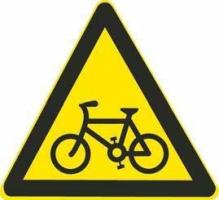
A. The lane for non-motorized vehicles
B. Yield non-motorized vehicles
C. No passing for non-motorized vehicles
D. Watch for non-motorized vehicles
Answer:D
Previous question: 66. What is the meaning of this sign?
Next question: 68. What is the meaning of this sign?
2026年摩托车科目四英文版题库共345题,你可以免费查看前50题,完整版题库请添加微信购买:

The English version of the 2026 motorcycle subject 4 question bank has a total of 345 questions. You can view the top 50 questions for free. Please add WeChat to purchase the complete version of the question bank.
科目四试题
- What is the meaning of this sign?
- When driving in rain and encountering pedestrians with umbrellas or wearing raincoats, what should be done by motor vehicle drivers in order to yield?
- When rescuing a person sustaining full-body burns the rescue personnel may spray cool water to his body to put out the fire.
- How should lamps be used when a motor vehicle meets an oncoming bicycle on a narrow road or a narrow bridge at night?
- What is the meaning of this sign?
- When encountering an obstacle on one side of the road, what should vehicles do as they approach each other?
- What is the meaning of this sign?
- What is the meaning of this sign?
- When rescuing a wounded person who has been poisoned by toxic gas, the first measure is to send him to a place where air is fresh so that he will not continue to be poisoned.
- When a motor vehicle temporarily stops at night, which lamp should be turned on?
- When an erosive material catches fire, it should not be put out with water cannon.
- When using splints, sticks or tree branches to keep the unexposed bones in position, it is necessary that these things should exceed the upper and lower joints of the wound.
- When a wounded person suffering burns is thirsty, he may drink a small quantity of slightly salty water.
- When there is no bandage for rescuing a wounded person, which of the following measures is wrong?
- What should the driver do to follow other motor vehicles on a mountain road?
- What kind of harmful effect will be brought about by continuously using the foot brake on a long downhill road?